
FREDRICK DOUGLASS
The Venerable Ex-Slave Finds Much to Occupy His Time.
Reviewing Great Events—Some of the Gems in His Library—He Thinks Pugilist Peter Jackson Is a Great Missionary.
by T. Thomas Fortune
[COPYRIGHT 1892]
Just beyond the Eastern branch, on the outskirts of Washington, embowered in a magnificent cluster of oaks which have withstood the fierce tempests of many winters, is the home of Frederick Douglass.
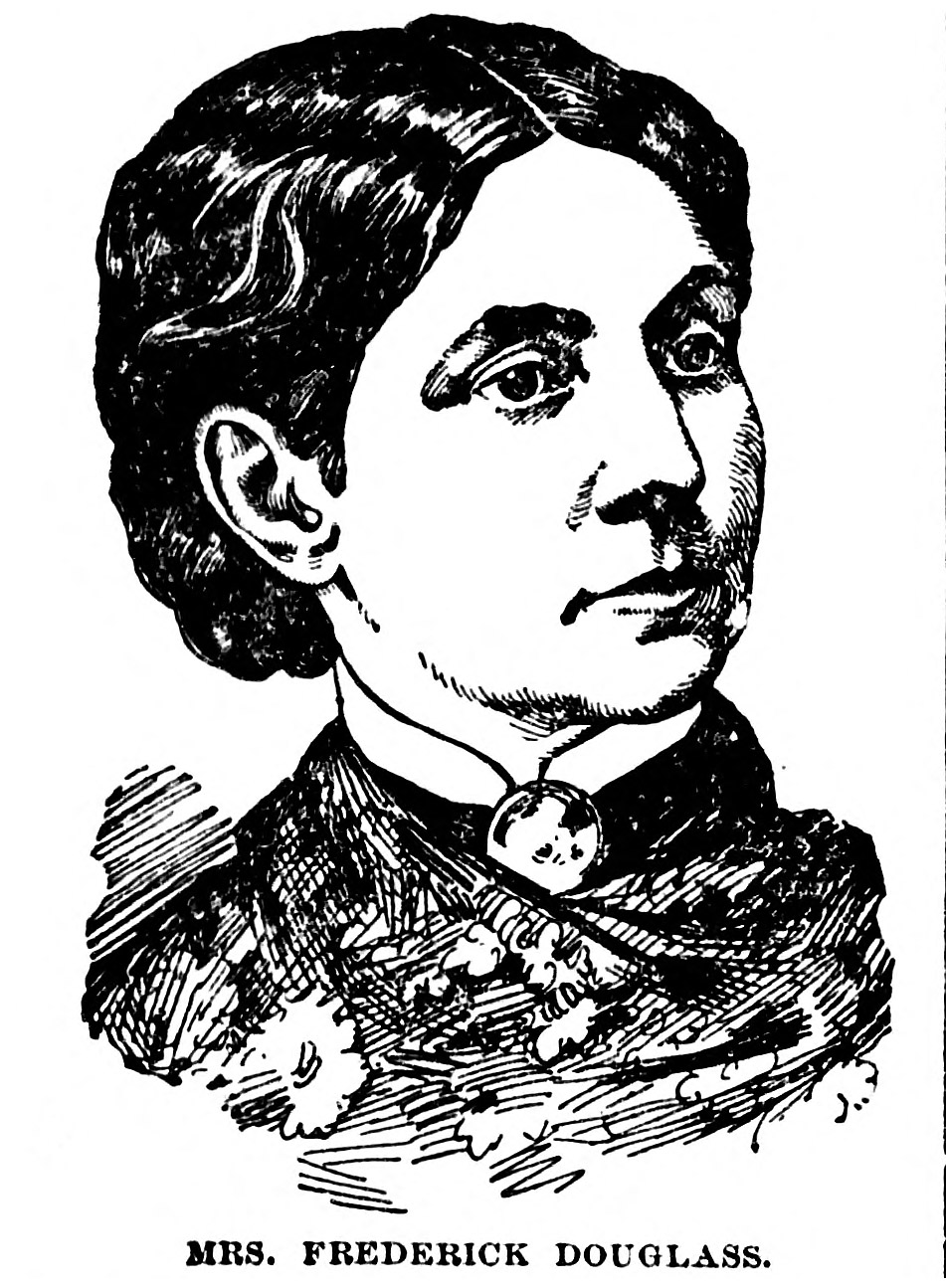
Few names in American history are surrounded with more of the romance that delights the youthful and instructs the old than that of this man, born a slave on the eastern shore of Maryland three-quarters of a century ago. He has been the center of every vicissitude. The confidante of William Lloyd Garrison, he was none the less the peer of Wendell Phillips in the oratory which aroused the public conscience to its sense of duty, and led ultimately to the enfranchisement of a race. He was present, practically, at the birth of aggressive anti-slavery agitation; He watched with interest the birth of the free soil party, and when the republican party first saw the light of day, with its face set firmly against the further extension of slave territory and the insolent domination of the slave power, he clapped his hands for joy, as does the devout Moslem when he first sees the royal sun glint the western hills with prisms that outshine the luster of the diamond.
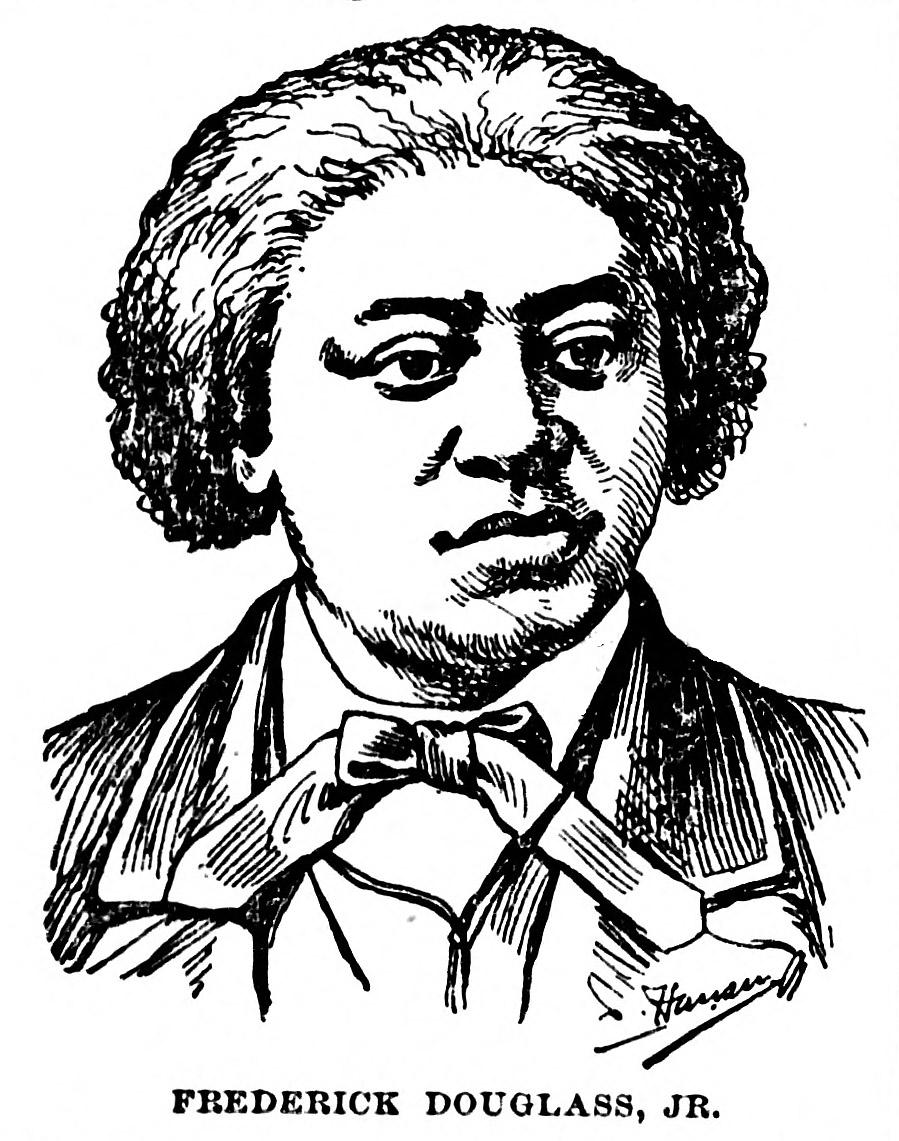
As a slave he first gained his freedom by strategy. As an orator in the anti-slavery convention he spoke as one having authority as one into whose soul had entered the steel of unutterable sorrows. As a freeman and a citizen the respect of mankind has been heaped upon his head and public trusts of great honor have been laid in his lap by a grateful party and sanctioned by the approving amens of a great nation in his old age, with his wife and children and grandchildren about him, he rests in the evening of his life from his labors, as one who has borne the heat and the burden of the day, in a villa that is one of the finest and most desirable in the republic, a villa whose original proprietor stipulated in the deed of transfer that the property should never be owned by a descendant of the African race.
Fred Douglass is a venerable, a picturesque and an historic character, in whom the general public will always have a certain interest.
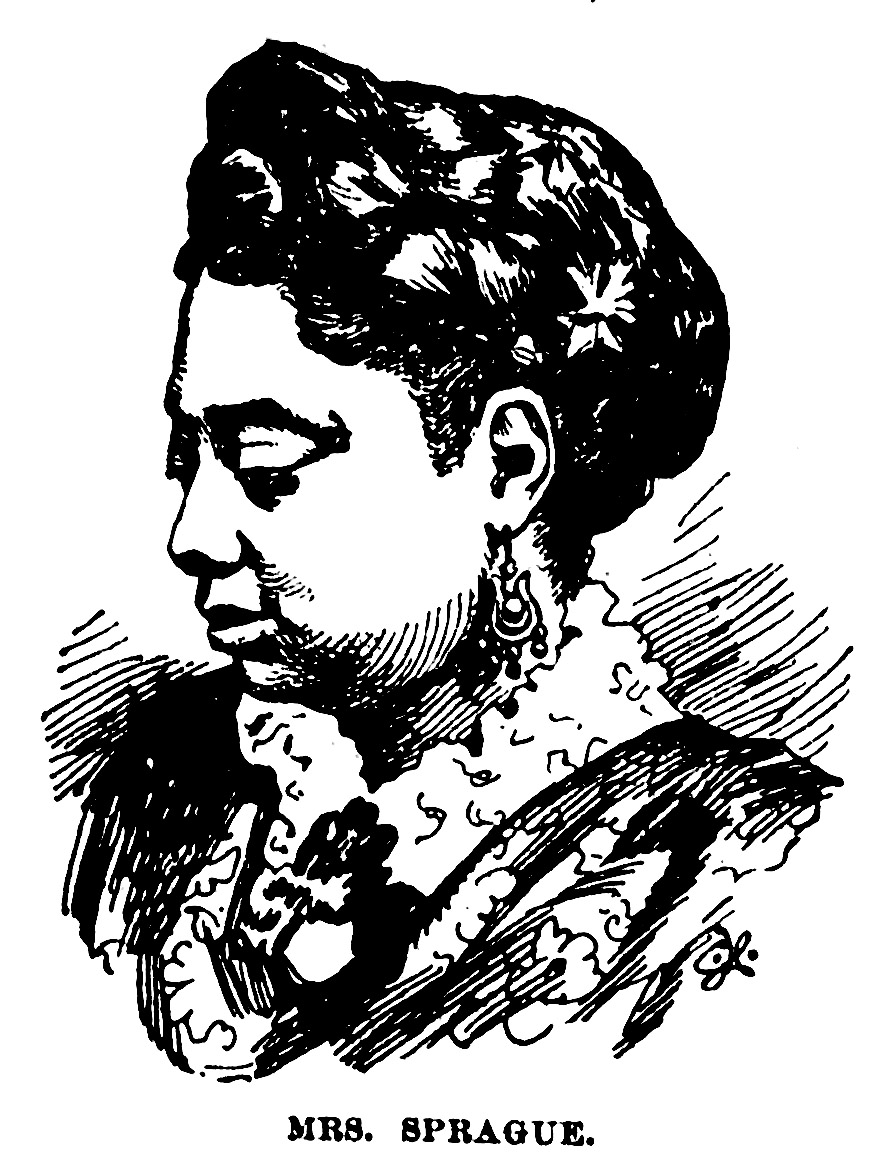
I am an old man now,
said Mr. Douglass, as he looked afar over the navy yard and rested his vision on the towering shaft of the Washington monument outlined against the southern sky. From this vantage ground I have a magnificent view of the most magnificent city on the continent, and I view, also, the history of the country for a half century as well as the history as it transpires from day to day.
How do I spend my time? I rise at five in the morning, walk over my grounds and spend most of the day in answering a large correspondence, in reading my favorite authors and in
writing an occasional article for a newspaper or a magazine. In the afternoon I usually go for a drive.
Who are my favorite authors? Among the poets, Shakespeare, Byron, Burns, Bryant, Whittier and Longfellow among prose writers, Hugo, especially
Les Miserables
and The Toilers of the Sea;
the works of Sir Walter Scott, especially Ivanhoe
Charlotte Bronte and Alexander Dumas, espcially The Muskateer
and The Count of Monte Cristo.
I have a French edition of the latter, in three volumes, which I very much prize. I regard Theodore D. Weld's Slavery As It Is
as the most powerful work of its kind written in the anti-slavery cause. Of course, I also read those things in current literature of contemporaneous interest and the standard authors in history and social and political science. Oh, yes I find plenty to occupy my time. There are plenty of drafts upon it, I can assure you.
How long have I lived here? I have lived in Washington twenty years, fifteen of them here at Cedar Hill before I came here I lived at New Bedford three years at Lynn, five at Rochester, twenty-five.
I was first married fifty-four years ago,
said Mr. Douglass. My first wife died ten years ago, and two years thereafter I married my present wife. The fact is, I look upon my life, as a whole, while it has some rough places in it, as having been singularly happy.
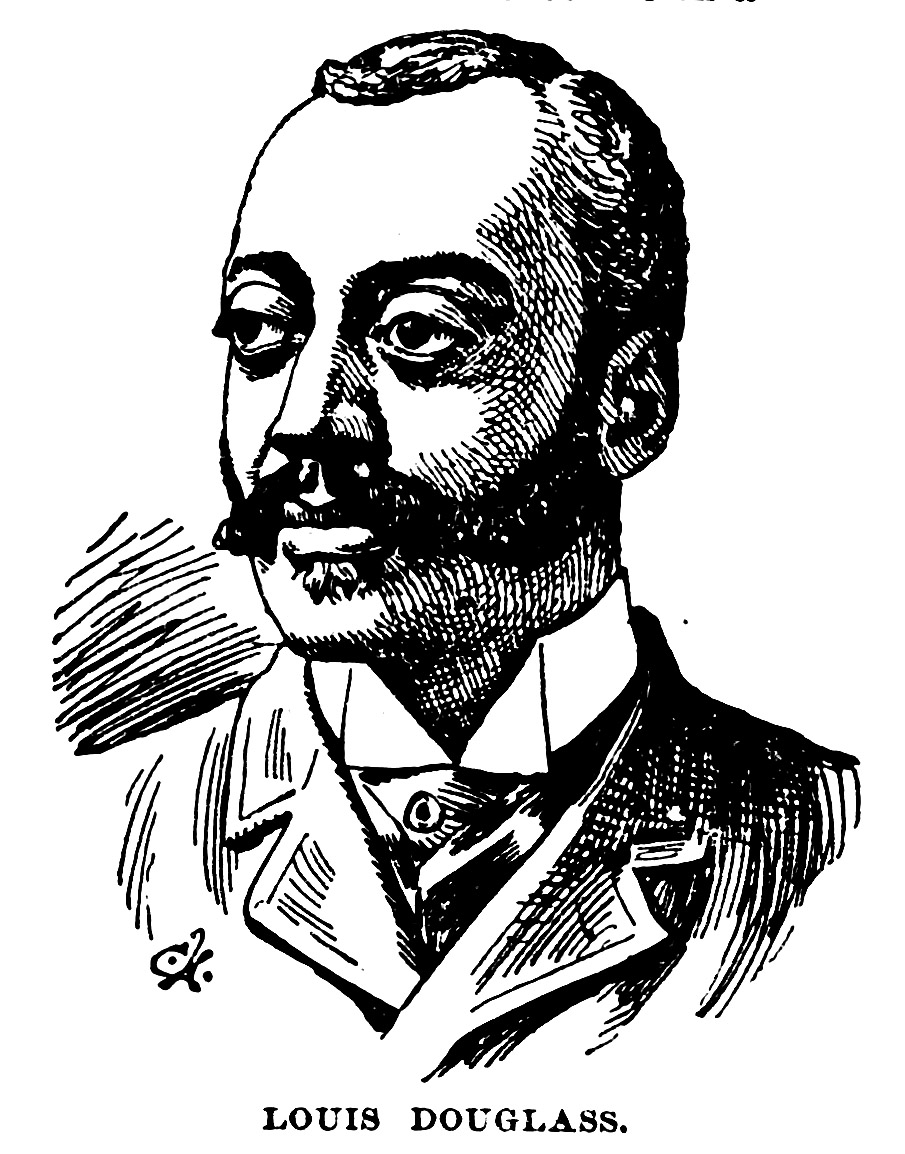
Mr. Douglass is somewhat of a violinist. He learned to manipulate the instrument in his youth, when the young folks of Washington gather about him at his Cedar, Hill home, as they often do, he frequently accompanies some expert pianist of them with the violin to the general satisfaction of his guests. Mr. Douglass is very fond of young people and their society. His grandson, Joseph, inherits Mr. Douglass' musical gifts, and is not only a professional violinist but has written some excellent scores. Joseph is Mr. Douglass favorite grandchild.
Mr. Douglass laughingly acknowledged that in his youth he was guilty of perpetrating some verse, all of which was destroyed when the files of his paper were burned. In the white heal of the anti-slavery agitation he wrote a poem, only one stanza of which he could recall. This he recited to me in a voice and accentuation which made it sound grand and heroic. I give the stanza here:
The pathway of tyrants is over volcanoes;
The very air they breathe is heavy with sorrows;
Agonizing heart throbs convulse them while sleeping,
And the wind whispers death as over them sweeping.
In his extensive and select library I saw splendid busts of Feuerbach and Strauss. One of the most striking engravings on the walls of the library is one of Joseph Cincque, the chief of the Amistad captives. An etching of Wendell Phillips when he was a young man is much prized by Mr. Douglass as a personal gift from the great orator. A steel engraving of William Lloyd Garrison at thirty-five and of Charles Sumner at thirty attract the eye at once, as does also one of James G. Birney, the forerunner of John C. Fremont and Abraham Lincoln. A bas relief of Dante overlooks all the pictures on the wall, including one of Elizabeth Cady Stanton, bearing a striking resemblance to the first Lord Chatham. Mr. Douglass was particular to point out to me a rich but modest picture of the home of John G. Whittier at Haverhill.
Don't forget Peter's picture,
exclaimed Mr. Douglass.
Which Peter?
I asked.
Why, Peter Jackson, of course,
said Mr. Douglass, admiringly gazing upon the massive proportions of the Afro-Australian pugilist. I consider him one of the best missionaries abroad.
As the silver moon lifted her horns above the romantic hills of Maryland, I turned away from the delightful arcadia of the sage of Anacosta and soon buried myself in the heat and the fruitless ambitions of the nation's capital, marveling whether the repose of old age be not preferable to the feverish aspirations of selfish or of patriotic maturity.
T. THOMAS FORTUNE.